
All Articles
June 7, 2026
• 2,954+ views
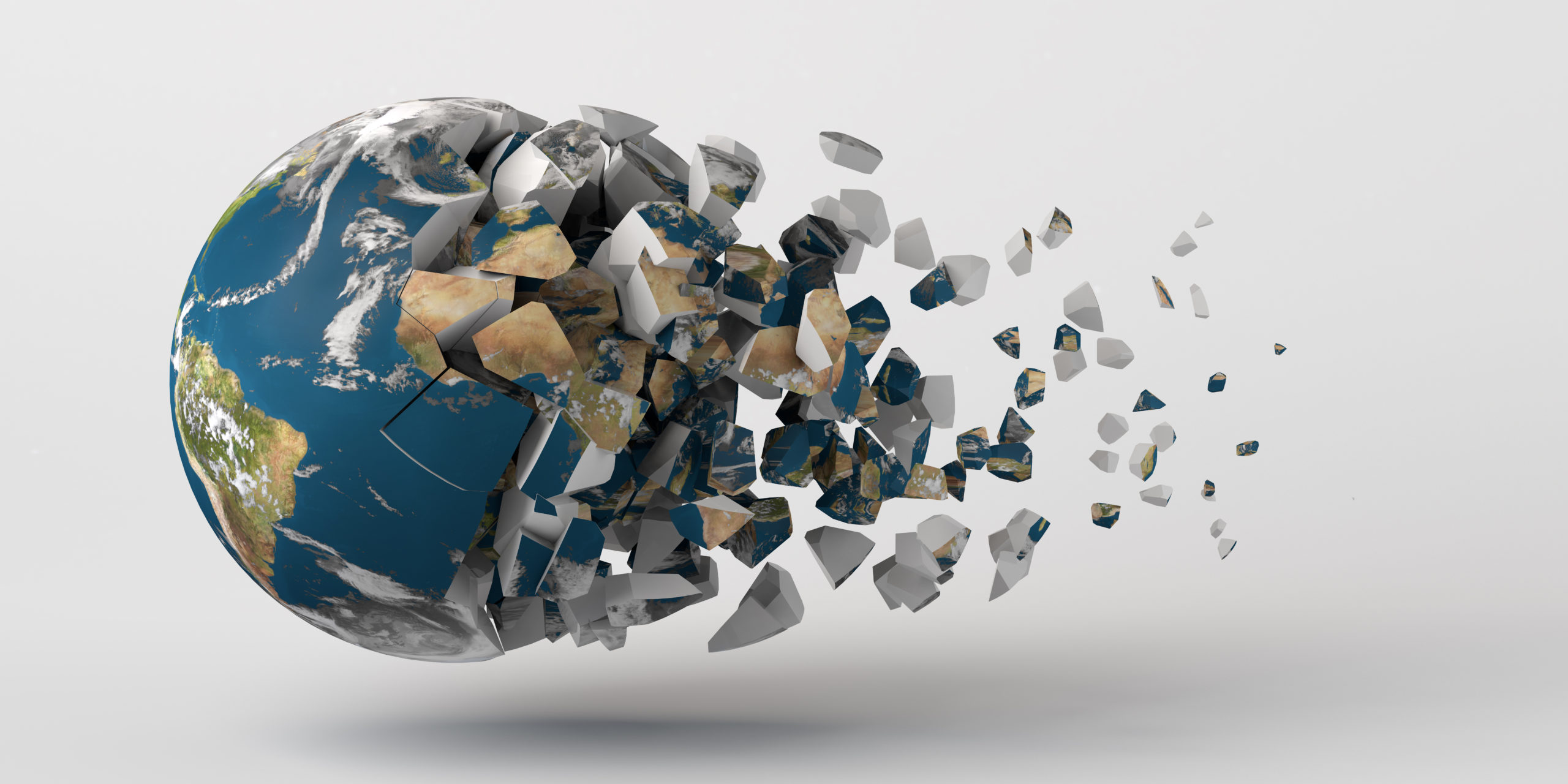
2026: The Global Collapse
The Age of Distrust: How Social Media, Cultural Shifts, and Institutional Erosion Are Fracturing Society
We live in the age of distrust. Everywhere we look, the social fabric that once held communities, families, and individuals together is fraying. Trust in institutions, in one another, and even in ourselves feels like a relic of a bygone era. Social media, that omnipresent digital mirror, has accelerated this decay, amplifying insecurities, distorting realities, and rewarding performative outrage over genuine connection. What began as tools for connection have become engines of division, reshaping gender dynamics, personal resilience, and our relationship with authority in profound and often disturbing ways.
The prompt for this era is simple yet corrosive: curate your life for likes, signal virtue endlessly, and outsource your sense of worth to algorithms and anonymous strangers. The results are visible in rising loneliness, plummeting mental health, and a generation unmoored from traditional markers of maturity and responsibility. This is not mere nostalgia for a tougher past; it is an observation grounded in observable trends—body image crises fueled by filters, physical and emotional softness replacing resilience, confused sexual and relational norms, and a paradoxical love-hate relationship with the very authorities tasked with maintaining order.Social Media: The Great CorrupterSocial media platforms did not invent human vanity or tribalism, but they supercharged them. With infinite scrolls of curated perfection, they exploit our deepest psychological vulnerabilities. For women, the impact on self-worth is particularly stark. Research consistently shows that heavy social media use correlates with heightened body dissatisfaction. Over 75% of young females report dissatisfaction with their bodies, with social media playing a central role through constant exposure to idealized, often edited images.
Platforms like Instagram and TikTok prioritize visual appeal, turning appearance into currency. Filters, angles, and lighting create unattainable standards. Studies reveal that reducing social media use by even 50% can significantly improve appearance and weight esteem among young people. Yet usage remains high, as dopamine hits from likes and comments create addiction loops. One in two girls reports that toxic beauty advice on social media causes low self-esteem.
This is not empowerment; it is a new form of bondage. Women are encouraged to derive value primarily from aesthetics—thigh gaps, flawless skin, pouty lips—rather than character, skills, or contributions. The "Instagram model" archetype dominates aspirations, sidelining intellectual or communal pursuits. Meanwhile, the economy of OnlyFans and influencer culture monetizes this directly, blurring lines between self-expression and commodification. Many chase validation in a system designed to keep them chasing, perpetually dissatisfied.
Men fare no better, though the distortions differ. While women face appearance pressures, men encounter a cocktail of economic irrelevance, digital escapism, and conflicting masculinity signals. Video games, pornography, and endless scrolling provide low-effort dopamine, contributing to declining physical activity. Only about a quarter of U.S. adults meet basic physical activity guidelines, with trends showing sedentary lifestyles rising, especially among younger cohorts.
Fistfights and physical confrontations—once rites of passage that built toughness and boundaries—are rare. Modern men often lack the embodied experience of conflict resolution through risk and consequence. This isn't a call for violence but recognition that avoiding all physical adversity leaves many unprepared for life's inevitable hardships. The "never been punched" archetype emerges: soft, conflict-averse in the real world, yet ferocious behind keyboards. Hegemonic masculinity debates rage online, but rigid old norms or their total rejection both fail many young men, contributing to mental health struggles and purposelessness.Gender Dynamics in the Digital AgeThe interplay between these trends creates relational sickness. Women, primed by social media to value high-status, visually appealing partners, often reject "average" straight men who don't perform the expected emotional labor or ideological alignment. Men, retreating into digital worlds or echo chambers, sometimes embrace apathy or compensatory identities. Claims that "men are mostly gay" overstate reality but point to visible cultural shifts: declining testosterone levels in populations, rising identification with fluid sexualities among youth, and social incentives to signal allyship.
Dating apps exacerbate this. They gamify attraction, favoring the top percentiles in looks or status while leaving many men invisible and many women overwhelmed by options without commitment. Marriage and birth rates decline. Loneliness statistics paint a grim picture: roughly 40% of U.S. adults report loneliness, with men increasingly affected. Young men report fewer close friendships than previous generations.
This isn't organic evolution; it's engineered disconnection. Social media rewards performative wokeness or hyper-masculine posturing over authentic vulnerability and strength. Straight men who prioritize traditional provider/protector roles are labeled toxic, while those adopting sympathetic postures may gain social approval but lose self-respect. Women face parallel bind: celebrated for independence yet burdened by unmet desires for stable partnership. The result is mutual resentment, "situationships," and a epidemic of singlehood by choice or circumstance.
Unique Angle: The Erosion of Embodied Reality
One under-discussed topic is the loss of "embodied competence." Previous generations learned through physical labor, apprenticeships, and unstructured play. Today, knowledge work, remote everything, and safetyism dominate. Men (and women) graduate without basic mechanical skills, wilderness survival intuition, or conflict navigation. This creates fragility: anxiety disorders skyrocket as the nervous system, wired for real threats, maladapts to curated digital stress. Therapy culture fills the gap but often pathologizes normal discomfort rather than building antifragility.Economic factors compound this. Stagnant wages for non-college men, rising housing costs, and student debt delay milestones like marriage and homeownership. When purpose through work or family feels unattainable, escapism thrives. Social media fills the void with outrage or fantasy, further eroding real-world trust.The Police Paradox: Love the Uniform, Fear the PowerDistrust extends to authority. People are taught to "back the blue" through cultural signaling—thin blue line flags, pro-police memes—yet simultaneously fear militarized policing, qualified immunity, and overreach. Confidence in police hovers around 50% in U.S. polls, with sharp partisan divides. High-profile incidents erode legitimacy, while crime spikes in defunded areas breed calls for more enforcement.
This paradox reflects deeper inconsistency. We outsource security and justice to the state while resenting its monopoly on force. Social media amplifies every bad encounter, creating perception of systemic failure even as data shows complexity—most interactions are routine. Yet accountability issues persist: slow complaint resolutions, union protections, and cultural insularity. Citizens rightly demand transparency without defunding essentials. The "love police" narrative clashes with civil liberties concerns, fostering cynicism. In an age of distrust, authority figures become both saviors and potential oppressors.
Unique Topic: The Polarization Feedback Loop
Social media doesn't just reflect distrust; it manufactures it through algorithms prioritizing engagement. Outrage drives clicks. Partisan news and echo chambers deepen divides, with users consuming content confirming biases. Studies link this to declining trust in media and fellow citizens. Affective polarization—disliking the other side personally—has surged.
This extends beyond politics to culture wars over gender, race, and identity. Online, nuance dies. Real communities—churches, clubs, neighborhoods—wither as digital tribes replace them. Trust requires shared reality; algorithms fragment it. Misinformation spreads, conspiracy thinking proliferates, and institutions lose credibility.
Unique Topic: The Mental Health Industrial Complex
Another layer: the explosion of anxiety, depression, and identity-based afflictions. Social media correlates with these, especially among youth. Constant comparison, FOMO, and cyberbullying take tolls. Yet solutions often medicalize or affirm without addressing roots—overprotective parenting, screen time, declining real play, economic precarity. Gender dysphoria rates surged among teens, tied partly to social contagion via platforms. Men face under-discussed issues: suicide rates remain disproportionately high, yet male loneliness receives less systemic focus.
Therapy and meds have roles, but over-reliance risks creating perpetual patients rather than resilient adults. Stoicism, competence-building, and offline community offer counterbalances rarely promoted in mainstream discourse.
Unique Topic: Economic and Technological Displacement
Automation, AI, and globalization disrupt traditional male-dominated fields. Service economies favor traits like communication and emotional intelligence, where women often excel. This "boy crisis" in education—lower graduation rates, less college attendance—foreshadows broader societal imbalance. Without purposeful work, purposelessness breeds vice: opioids, video game addiction, incel subcultures.
Women face their pressures: "have it all" expectations lead to burnout, delayed childbearing, and regret. Fertility rates plummet, with cultural silence around trade-offs.Pathways Out of DistrustReversing this requires intentionality. Limit social media; prioritize offline bonds. Rebuild physical resilience through sports, martial arts, or manual labor. Foster genuine masculinity and femininity—strength with empathy, beauty with depth. Reform policing for accountability without demonization. Re-localize life: support small businesses, community events, face-to-face dialogue.
Parents must gatekeep screens and teach delayed gratification. Education should emphasize critical thinking over ideology. Individuals: touch grass, learn skills, defend boundaries without cruelty, seek truth over tribe.The cancer spreads because we feed it attention. Starve the algorithms by living analog lives. Distrust is rational when institutions and platforms fail us, but generalized cynicism is self-defeating. Rebuild trust bottom-up: in ourselves, our families, our immediate circles. The age of distrust need not be permanent—if we choose reality over the feed.
We live in the age of distrust. Everywhere we look, the social fabric that once held communities, families, and individuals together is fraying. Trust in institutions, in one another, and even in ourselves feels like a relic of a bygone era. Social media, that omnipresent digital mirror, has accelerated this decay, amplifying insecurities, distorting realities, and rewarding performative outrage over genuine connection. What began as tools for connection have become engines of division, reshaping gender dynamics, personal resilience, and our relationship with authority in profound and often disturbing ways.
The prompt for this era is simple yet corrosive: curate your life for likes, signal virtue endlessly, and outsource your sense of worth to algorithms and anonymous strangers. The results are visible in rising loneliness, plummeting mental health, and a generation unmoored from traditional markers of maturity and responsibility. This is not mere nostalgia for a tougher past; it is an observation grounded in observable trends—body image crises fueled by filters, physical and emotional softness replacing resilience, confused sexual and relational norms, and a paradoxical love-hate relationship with the very authorities tasked with maintaining order.Social Media: The Great CorrupterSocial media platforms did not invent human vanity or tribalism, but they supercharged them. With infinite scrolls of curated perfection, they exploit our deepest psychological vulnerabilities. For women, the impact on self-worth is particularly stark. Research consistently shows that heavy social media use correlates with heightened body dissatisfaction. Over 75% of young females report dissatisfaction with their bodies, with social media playing a central role through constant exposure to idealized, often edited images.
Platforms like Instagram and TikTok prioritize visual appeal, turning appearance into currency. Filters, angles, and lighting create unattainable standards. Studies reveal that reducing social media use by even 50% can significantly improve appearance and weight esteem among young people. Yet usage remains high, as dopamine hits from likes and comments create addiction loops. One in two girls reports that toxic beauty advice on social media causes low self-esteem.
This is not empowerment; it is a new form of bondage. Women are encouraged to derive value primarily from aesthetics—thigh gaps, flawless skin, pouty lips—rather than character, skills, or contributions. The "Instagram model" archetype dominates aspirations, sidelining intellectual or communal pursuits. Meanwhile, the economy of OnlyFans and influencer culture monetizes this directly, blurring lines between self-expression and commodification. Many chase validation in a system designed to keep them chasing, perpetually dissatisfied.
Men fare no better, though the distortions differ. While women face appearance pressures, men encounter a cocktail of economic irrelevance, digital escapism, and conflicting masculinity signals. Video games, pornography, and endless scrolling provide low-effort dopamine, contributing to declining physical activity. Only about a quarter of U.S. adults meet basic physical activity guidelines, with trends showing sedentary lifestyles rising, especially among younger cohorts.
Fistfights and physical confrontations—once rites of passage that built toughness and boundaries—are rare. Modern men often lack the embodied experience of conflict resolution through risk and consequence. This isn't a call for violence but recognition that avoiding all physical adversity leaves many unprepared for life's inevitable hardships. The "never been punched" archetype emerges: soft, conflict-averse in the real world, yet ferocious behind keyboards. Hegemonic masculinity debates rage online, but rigid old norms or their total rejection both fail many young men, contributing to mental health struggles and purposelessness.Gender Dynamics in the Digital AgeThe interplay between these trends creates relational sickness. Women, primed by social media to value high-status, visually appealing partners, often reject "average" straight men who don't perform the expected emotional labor or ideological alignment. Men, retreating into digital worlds or echo chambers, sometimes embrace apathy or compensatory identities. Claims that "men are mostly gay" overstate reality but point to visible cultural shifts: declining testosterone levels in populations, rising identification with fluid sexualities among youth, and social incentives to signal allyship.
Dating apps exacerbate this. They gamify attraction, favoring the top percentiles in looks or status while leaving many men invisible and many women overwhelmed by options without commitment. Marriage and birth rates decline. Loneliness statistics paint a grim picture: roughly 40% of U.S. adults report loneliness, with men increasingly affected. Young men report fewer close friendships than previous generations.
This isn't organic evolution; it's engineered disconnection. Social media rewards performative wokeness or hyper-masculine posturing over authentic vulnerability and strength. Straight men who prioritize traditional provider/protector roles are labeled toxic, while those adopting sympathetic postures may gain social approval but lose self-respect. Women face parallel bind: celebrated for independence yet burdened by unmet desires for stable partnership. The result is mutual resentment, "situationships," and a epidemic of singlehood by choice or circumstance.
Unique Angle: The Erosion of Embodied Reality
One under-discussed topic is the loss of "embodied competence." Previous generations learned through physical labor, apprenticeships, and unstructured play. Today, knowledge work, remote everything, and safetyism dominate. Men (and women) graduate without basic mechanical skills, wilderness survival intuition, or conflict navigation. This creates fragility: anxiety disorders skyrocket as the nervous system, wired for real threats, maladapts to curated digital stress. Therapy culture fills the gap but often pathologizes normal discomfort rather than building antifragility.Economic factors compound this. Stagnant wages for non-college men, rising housing costs, and student debt delay milestones like marriage and homeownership. When purpose through work or family feels unattainable, escapism thrives. Social media fills the void with outrage or fantasy, further eroding real-world trust.The Police Paradox: Love the Uniform, Fear the PowerDistrust extends to authority. People are taught to "back the blue" through cultural signaling—thin blue line flags, pro-police memes—yet simultaneously fear militarized policing, qualified immunity, and overreach. Confidence in police hovers around 50% in U.S. polls, with sharp partisan divides. High-profile incidents erode legitimacy, while crime spikes in defunded areas breed calls for more enforcement.
This paradox reflects deeper inconsistency. We outsource security and justice to the state while resenting its monopoly on force. Social media amplifies every bad encounter, creating perception of systemic failure even as data shows complexity—most interactions are routine. Yet accountability issues persist: slow complaint resolutions, union protections, and cultural insularity. Citizens rightly demand transparency without defunding essentials. The "love police" narrative clashes with civil liberties concerns, fostering cynicism. In an age of distrust, authority figures become both saviors and potential oppressors.
Unique Topic: The Polarization Feedback Loop
Social media doesn't just reflect distrust; it manufactures it through algorithms prioritizing engagement. Outrage drives clicks. Partisan news and echo chambers deepen divides, with users consuming content confirming biases. Studies link this to declining trust in media and fellow citizens. Affective polarization—disliking the other side personally—has surged.
This extends beyond politics to culture wars over gender, race, and identity. Online, nuance dies. Real communities—churches, clubs, neighborhoods—wither as digital tribes replace them. Trust requires shared reality; algorithms fragment it. Misinformation spreads, conspiracy thinking proliferates, and institutions lose credibility.
Unique Topic: The Mental Health Industrial Complex
Another layer: the explosion of anxiety, depression, and identity-based afflictions. Social media correlates with these, especially among youth. Constant comparison, FOMO, and cyberbullying take tolls. Yet solutions often medicalize or affirm without addressing roots—overprotective parenting, screen time, declining real play, economic precarity. Gender dysphoria rates surged among teens, tied partly to social contagion via platforms. Men face under-discussed issues: suicide rates remain disproportionately high, yet male loneliness receives less systemic focus.
Therapy and meds have roles, but over-reliance risks creating perpetual patients rather than resilient adults. Stoicism, competence-building, and offline community offer counterbalances rarely promoted in mainstream discourse.
Unique Topic: Economic and Technological Displacement
Automation, AI, and globalization disrupt traditional male-dominated fields. Service economies favor traits like communication and emotional intelligence, where women often excel. This "boy crisis" in education—lower graduation rates, less college attendance—foreshadows broader societal imbalance. Without purposeful work, purposelessness breeds vice: opioids, video game addiction, incel subcultures.
Women face their pressures: "have it all" expectations lead to burnout, delayed childbearing, and regret. Fertility rates plummet, with cultural silence around trade-offs.Pathways Out of DistrustReversing this requires intentionality. Limit social media; prioritize offline bonds. Rebuild physical resilience through sports, martial arts, or manual labor. Foster genuine masculinity and femininity—strength with empathy, beauty with depth. Reform policing for accountability without demonization. Re-localize life: support small businesses, community events, face-to-face dialogue.
Parents must gatekeep screens and teach delayed gratification. Education should emphasize critical thinking over ideology. Individuals: touch grass, learn skills, defend boundaries without cruelty, seek truth over tribe.The cancer spreads because we feed it attention. Starve the algorithms by living analog lives. Distrust is rational when institutions and platforms fail us, but generalized cynicism is self-defeating. Rebuild trust bottom-up: in ourselves, our families, our immediate circles. The age of distrust need not be permanent—if we choose reality over the feed.
#FractionalRevOps #RevOps #Grid52 #DesertWestDigital #GageStaruch #Biteris
Syndicate This Article
Copy and paste this code to embed this article on your website:
<script src="https://biteris.net/articles/embed.js?slug=2026-the-global-collapse"></script>
Free syndication with attribution. See Press & Syndication for terms.
2,954
Views
0
Comments
Comments (0)
Leave a Comment
No comments yet. Be the first!